
Govern usage
Which tools for which uses, with which data, which rights and which training.
AI Governance
Being ethical and AI Act compliant cannot be decreed: it requires truly governing your AI, both your agents and your users, with organizational and technical rules.
01 — What governing means
Governance is neither only ethics nor only the AI Act: it is the ability to control what your users and agents actually do.
What is AI agent governance? It is the set of organizational and technical rules that determine which agents exist, what they are for, who can create, use or modify them, which data they can access, and how they are backed up, measured and kept under cost control. It is the foundation for your acceptable use policy, ethical practices and AI Act compliance.
An AI policy or compliance plan is not enough if nobody knows who uses which tools, with which data, or what deployed agents really do. We help you govern both, across the organization and at the technical level.
Which tools for which uses, with which data, which rights and which training.
Inventory, inspection, evaluation, versioning and backup.
Roles, responsibilities, human review, AI policy and acceptable use policy.
Approved tools, access, data protection, traceability and cost control.
02 — The pillars
Before drafting any AI policy, make eight practical decisions for every agent and platform.
Why each agent exists, which business problem it solves and how to measure its value.
An up-to-date inventory of agents, their owners, their users and the data they use.
The approved platforms, models, connectors and data sources, and how they work together.
Who can create, modify, publish or simply use an agent, and what data they can access.
Which agents remain personal, are shared with a team or are available across the organization, and under which rules.
The right license level for each user profile, to control costs without holding back usage.
Configuration history, restoration and continuity, even when an agent’s creator leaves the company.
Continuous monitoring of adoption, quality, costs and ROI to refine rules and priorities.
03 — Our approach
A progressive approach, applied to users and agents alike.
Map users, tools, usage, agents and exposed data.
Define roles, usage rules and technical rules with business, IT and legal.
Inspect, evaluate and back up agents with PivotalBench.
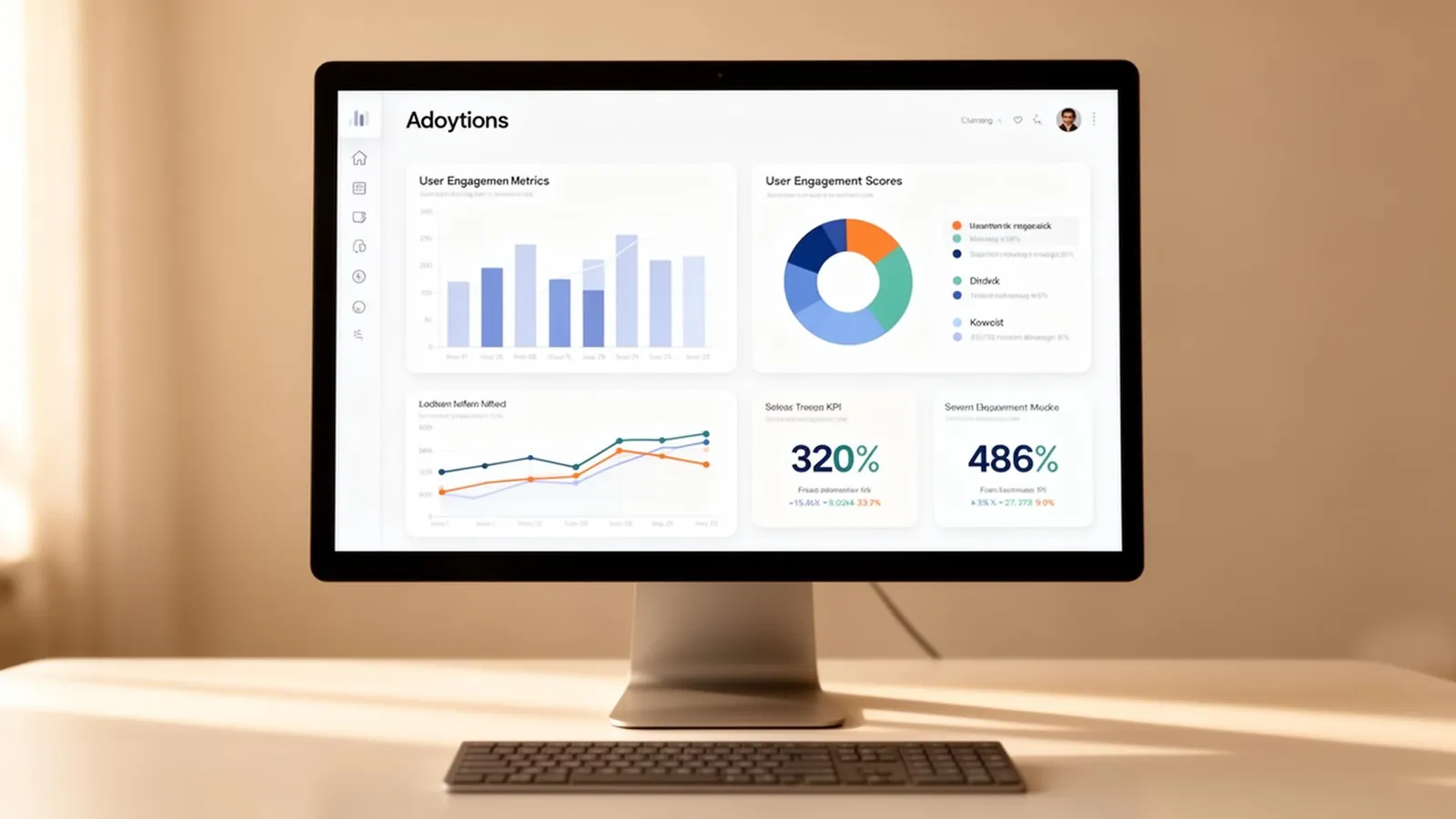
Track usage, adoption, costs and ROI continuously with Digital Skills Analyzer.

04 — AI agent governance
Our PivotalBench platform makes agent governance concrete and verifiable.
05 — Usage governance
Our Digital Skills Analyzer platform makes real AI usage and adoption across the organization visible.
06 — Your platforms
Governance rules work differently on each platform: workspaces and permissions in Dust, licenses and Microsoft 365 data access for Copilot, and workspaces and GPT sharing in ChatGPT. We help you implement these rules and train your teams.
07 — AI policy and acceptable use policy
An AI policy or acceptable use policy can only be enforced once governance decisions have been made: which tools are approved, who can access what, which agents can be shared, and with which licenses and data. Without these decisions, the policy remains a list of intentions that nobody can enforce. We therefore build the governance framework first, then translate it into a clear AI policy and acceptable use policy for your employees.
Without governance, ethics remains an intention.
08 — Adoption & AI Act
Well-governed AI naturally produces responsible use and the evidence the AI Act requires.

09 — Who it is for
10 — FAQ
It is the ability to control what the organization’s users and AI agents do: which tools they use, with which data, permissions, costs and results. It combines organizational rules with technical rules.
Governance defines the practical rules: objectives, architecture, permissions, sharing, licenses and backups. An AI policy turns these rules into commitments that employees can understand. Without governance, an AI policy cannot be enforced.
Agents act on data and processes, sometimes autonomously. You need to know who created them, what they do, what they can access and how to restore or update them.
It lays the foundations: an inventory of AI systems, AI literacy across teams, transparency and traceability. Some obligations depend on the systems’ risk levels and also require legal support.
Start with an assessment: identify the tools, agents, users and exposed data. This is the first step in our approach and enables you to set your priorities.
11 — Resources

One conversation is enough to assess your maturity and priorities.